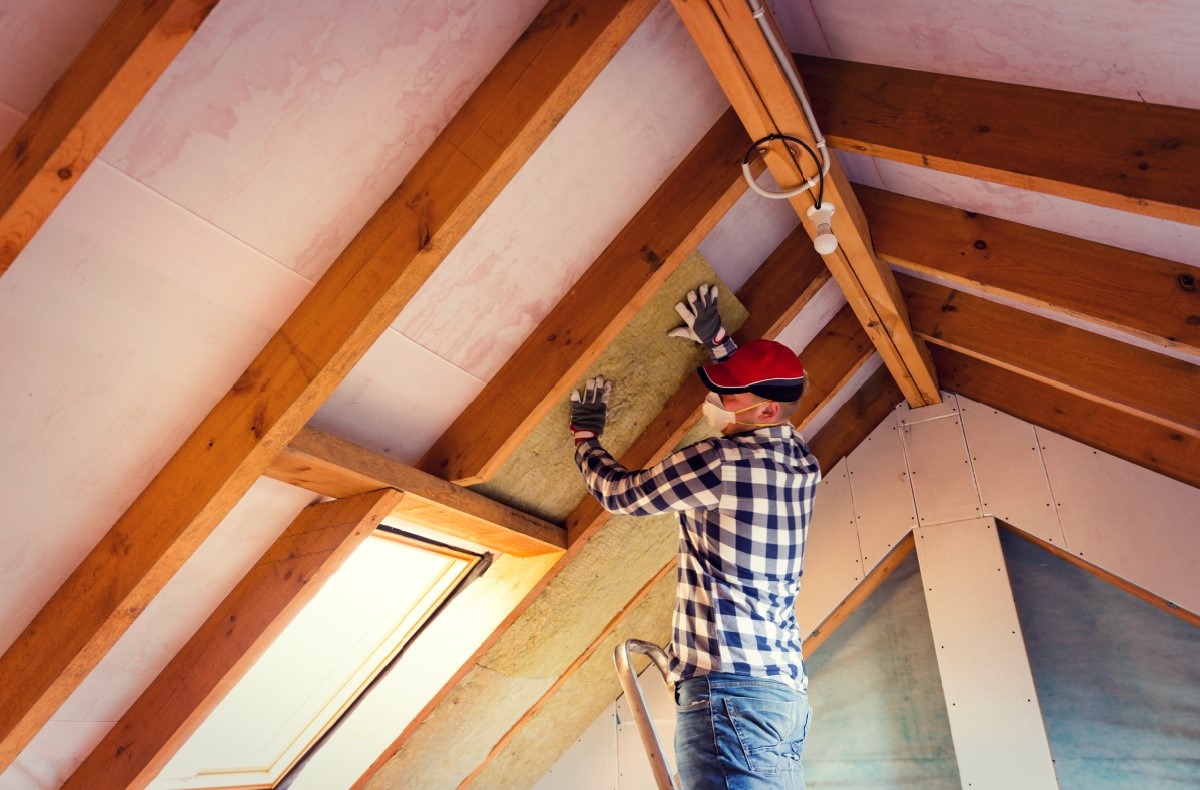
Introduction to Spray Foam Insulation San Antonio
Spray foam insulation San Antonio homeowners choose delivers measurable energy savings in one of Texas’s most challenging climates. However, not all foam products perform equally when temperatures swing from freezing winters to 100°F+ summers. This material creates an airtight thermal barrier that traditional fiberglass or cellulose cannot match.
Why San Antonio Properties Need Advanced Insulation
The Alamo City’s extreme heat drives cooling costs higher than most U.S. metros. In fact, the U.S. Energy Information Administration reports Texas homes consume 30% more electricity annually than the national average. Foam insulation addresses this challenge by sealing air leaks and blocking radiant heat transfer simultaneously.
Table of Contents
- Introduction to Spray Foam Insulation San Antonio
- How Spray Foam Insulation San Antonio Works
- Spray Foam Insulation San Antonio Cost & ROI
- Spray Foam Types for San Antonio Climate
- Why Choose Apex Foam Solutions
- Get Started with Your Insulation Upgrade
- FAQ & Conclusion
Open-Cell vs. Closed-Cell Performance
Choosing the right foam type depends on your building’s structure and budget tier. The table below compares key specifications:
| Feature | Open-Cell Foam | Closed-Cell Foam |
|---|---|---|
| R-Value per Inch | 3.5-3.7 | 6.0-7.0 |
| Moisture Barrier | No | Yes |
| Structural Strength | Minimal | Adds rigidity |
| Best Applications | Interior walls, attics | Exterior walls, roofs |
| Cost Tier | Standard-tier | Upper-tier |
Because this material expands to fill every crack and crevice, it eliminates the air infiltration that accounts for 25-40% of energy waste. As a result, properly installed foam can reduce HVAC runtime by up to 50% during peak summer months. Therefore, the upfront investment typically pays for itself within 3-7 years through lower utility bills.
How Spray Foam Insulation San Antonio Works
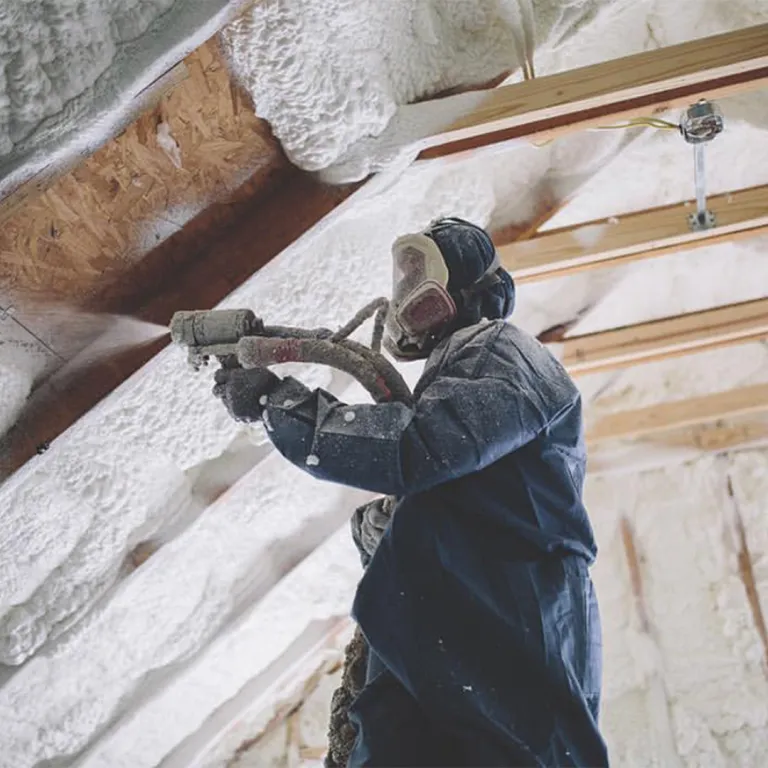
In our experience, the foam transforms your home’s thermal performance through a straightforward chemical process. Two liquid components—polyol resin and isocyanate—combine at the application nozzle, triggering an immediate expansion reaction. The foam grows to 30-100 times its liquid volume within seconds, filling every crack, gap, and irregular space in your building envelope.
The Application Process
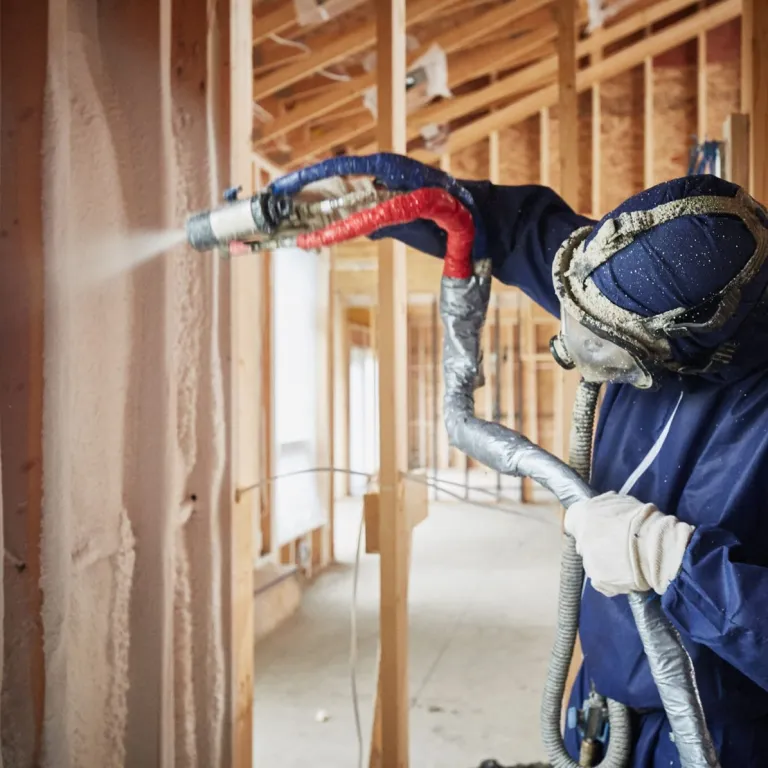
First, certified technicians prepare the installation area by covering windows, outlets, and fixtures. They then spray the liquid mixture onto walls, attics, or crawl spaces using specialized equipment that heats the components to 120-140°F for optimal expansion. However, the magic happens in the curing phase—the foam hardens within 30-60 seconds of contact, creating an airtight seal that blocks air infiltration.
The expansion properties make this insulation uniquely effective for San Antonio’s construction challenges:
- Irregular surfaces: Foam conforms to uneven joists, pipes, and electrical boxes
- Hard-to-reach areas: The spray reaches tight corners and overhead cavities
- Seamless coverage: No gaps between batts or boards that allow air leakage
- Structural adhesion: Bonds directly to wood, metal, and concrete surfaces
Creating an Air Barrier System
In addition to thermal resistance, the cured foam forms a continuous air barrier that stops moisture infiltration—critical in San Antonio’s humid climate. According to the U.S. Department of Energy, air leakage accounts for 25-40% of heating and cooling energy waste in typical homes. Meanwhile, spray foam’s closed-cell structure blocks both air movement and water vapor transmission, preventing the mold growth and wood rot common in traditional insulation systems.
The result is a building envelope that maintains consistent indoor temperatures year-round, reducing HVAC runtime by 30-50% compared to fiberglass alternatives.
Spray Foam Insulation San Antonio Cost & ROI
When evaluating foam projects, understanding both upfront investment and long-term returns helps homeowners make informed decisions. However, the financial picture extends far beyond initial installation expenses.
Investment Tiers for San Antonio Homes
Spray foam projects typically fall into distinct investment categories based on square footage and application complexity. Entry-tier projects often cover smaller spaces like rim joists or crawl spaces, while premium-tier installations address entire attics or whole-home applications. Most residential projects fall into the mid-tier to upper-tier range, depending on home size and insulation depth.
For example, a 1,500-square-foot attic requiring closed-cell foam at 3 inches typically represents an upper-tier investment. In contrast, open-cell applications in the same space often fall into the mid-tier category due to lower material density requirements.
Energy Savings That Add Up
The real value emerges through monthly utility reductions. According to the U.S. Department of Energy, proper insulation can reduce heating and cooling costs by up to 20%. San Antonio homeowners frequently report annual savings between $400 and $800 on electricity bills after installation, with some larger homes exceeding $1,000 in annual reductions.
Key financial benefits include:
- Monthly cooling cost reductions of 15-30% during Texas summers
- Decreased HVAC runtime, extending equipment lifespan by 3-5 years
- Immediate comfort improvements that reduce thermostat adjustments
- Increased home resale value, often recovering 80-100% of installation costs
Tax Credits and Rebates
Federal energy efficiency tax credits can offset up to $1,200 annually for qualifying insulation upgrades under the Inflation Reduction Act. Additionally, CPS Energy offers rebates for San Antonio residents who improve home insulation, potentially providing $200-$400 in direct savings.
Calculating Your Payback Period
Most San Antonio homeowners achieve full ROI within 5-8 years through combined energy savings and increased property value. Therefore, spray foam represents a sound long-term investment rather than a simple expense. Homes in extreme climate zones like San Antonio often see faster payback due to year-round HVAC demands.
Spray Foam Types for San Antonio Climate
Our team has seen choosing the right foam type depends on understanding how each performs in our unique climate. San Antonio experiences hot, humid summers with temperatures regularly exceeding 95°F and mild winters that occasionally dip below freezing. This temperature swing demands insulation that handles both extreme heat and moisture effectively.
Open-Cell vs. Closed-Cell Performance
Open-cell spray foam expands to approximately 3 inches thick and offers an R-value of 3.5-3.7 per inch. However, it’s semi-permeable to moisture, which can be problematic during San Antonio’s humid months when relative humidity often reaches 70-80%. This type works best in interior applications like partition walls or conditioned attics where moisture control is less critical.
Closed-cell spray foam delivers superior performance for our climate. With an R-value of 6.0-7.0 per inch, it provides twice the insulating power in half the space. More importantly, it creates a complete vapor barrier that blocks moisture infiltration—essential when your AC battles 100°F heat and 65% humidity simultaneously. According to the U.S. Department of Energy, closed-cell foam also adds structural rigidity, increasing wall strength by up to 250%.
Climate-Specific Recommendations
For San Antonio homes, professionals typically recommend:
- Attics: Closed-cell foam at 5-7 inches (R-30 to R-49)
- Exterior walls: Closed-cell foam at 3-4 inches (R-18 to R-28)
- Crawl spaces: Closed-cell foam for moisture resistance
- Metal buildings: Closed-cell foam to prevent condensation
The investment in closed-cell foam typically ranges from standard-tier to upper-tier depending on project size, but homeowners report annual cooling cost reductions of $800-$1,200 according to local utility data. Additionally, the Database of State Incentives for Renewables & Efficiency shows qualifying installations may earn federal tax credits up to 30% of project costs through 2032.
Why Choose Apex Foam Solutions for Your San Antonio Project
When considering spray foam contractors, Apex Foam Solutions stands apart through proven expertise and unwavering commitment to quality. Our team brings over 15 years of specialized experience in Texas climate applications, ensuring every installation meets the unique demands of Central Texas weather patterns.
Certified Expertise You Can Trust
First, our technicians hold industry-recognized certifications from the Spray Polyurethane Foam Alliance (SPFA). This means every crew member understands proper application techniques, safety protocols, and building science principles. In addition, we maintain $2 million in general liability coverage and workers’ compensation insurance, protecting your property throughout the installation process.
Local Knowledge, Superior Results
Because San Antonio’s climate presents specific challenges—scorching summers exceeding 100°F and unpredictable winter freezes—we tailor every installation to local conditions. Our approach includes:
- Climate-specific product selection matching R-value requirements to your building envelope
- Moisture management strategies addressing South Texas humidity levels
- Energy audit integration identifying air leakage points before application
- Building code compliance ensuring adherence to San Antonio’s thermal performance standards
Transparent Communication from Start to Finish
Meanwhile, our project management system keeps you informed at every stage. You’ll receive detailed scope documentation, realistic timelines, and tier-based investment options—from entry-tier attic applications to premium-tier whole-home solutions. We never surprise clients with hidden fees or scope changes.
In our experience, the average customer reports energy savings between $400 and $800 annually according to utility bill comparisons. These documented results reflect our commitment to performance verification, not just installation completion.
Get Started with Your Insulation Upgrade
Based on our work with clients, ready to transform your home’s comfort and energy efficiency? However, choosing the right contractor makes all the difference in your insulation project outcome. First, verify that your installer holds proper licensing and insurance coverage—Texas requires contractors working on projects exceeding $500 to maintain active credentials. In addition, look for certified applicators who’ve completed manufacturer training programs and understand San Antonio’s unique climate demands.
Most reputable contractors offer free in-home assessments to evaluate your current insulation and identify problem areas. For example, thermal imaging cameras can reveal hidden air leaks and insulation gaps that drive up your utility bills. As a result, you’ll receive a detailed proposal outlining recommended solutions, project timeline, and tier-based pricing options.
What to Expect During Installation
Professional spray foam installation typically takes one to three days depending on your home’s size. Specifically, the process includes:
- Preparation: Covering surfaces, protecting HVAC systems, and ensuring proper ventilation
- Application: Trained technicians spray foam into cavities, expanding to fill gaps completely
- Curing: Allowing 24 hours for the foam to fully cure and off-gas
- Final inspection: Verifying coverage, trimming excess material, and conducting quality checks
Meanwhile, you’ll need to vacate your home during application and curing—most families stay away for 24-48 hours. On the other hand, the temporary inconvenience pays off with decades of improved comfort and lower energy costs.
Ready to reduce your cooling bills by up to 30%? Contact Apex Foam Solutions today at (832) 400-3344 to schedule your free assessment and discover which foam solution fits your budget tier. Serving Houston, TX 77085 and surrounding areas.