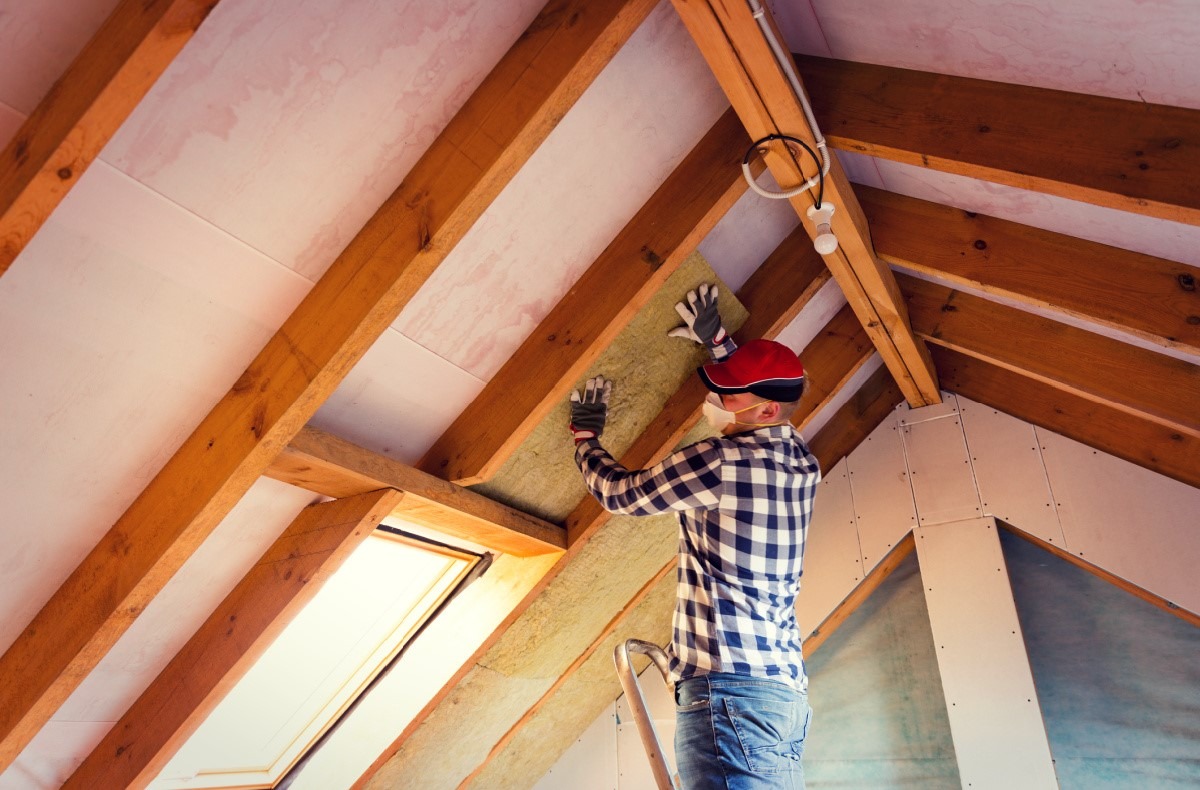
Introduction to Spray Foam Insulation Houston
Spray foam insulation Houston delivers unmatched thermal performance in one of America’s most challenging climates. Houston’s extreme heat, high humidity, and frequent storms demand insulation that goes beyond basic R-value. However, many homeowners still rely on outdated fiberglass batts that leave gaps, absorb moisture, and fail within years.
Modern foam technology creates an airtight seal that blocks heat transfer and moisture infiltration simultaneously. This dual-action protection matters in Houston, where summer temperatures regularly exceed 95°F and humidity hovers above 70%. According to the U.S. Department of Energy, air leakage accounts for 25-40% of cooling costs in typical homes—a figure that climbs even higher in Gulf Coast climates.
Why Houston Homes Need Superior Insulation
Houston’s subtropical climate creates unique insulation challenges that standard materials cannot address. The region experiences:
- Extreme temperature swings: Daily variations of 20-30°F between morning and afternoon
- Persistent humidity: Annual average relative humidity of 75%, promoting mold growth in traditional insulation
- Severe weather exposure: Hurricane-force winds and heavy rainfall that test building envelope integrity
- Extended cooling seasons: Air conditioning runs 8-10 months annually, driving energy costs upward
Professional foam insulation addresses these challenges by forming a continuous barrier that stops air movement, blocks moisture, and maintains consistent R-values regardless of humidity levels. For instance, closed-cell spray foam maintains R-6.5 to R-7 per inch even in saturated conditions, while fiberglass loses up to 50% of its insulating value when damp.
Because Houston homeowners face cooling bills that average $200-$300 monthly during peak summer months, the energy savings from this technology typically range from 30-50% annually. This translates to potential savings of $900-$1,800 per year for an average 2,500-square-foot home—making it a strategic investment rather than a simple upgrade.
Table of Contents
- How Spray Foam Insulation Works in Houston Climate
- Types of Spray Foam Insulation Houston Contractors Install
- Spray Foam Insulation Houston Cost and ROI
- Applications and Areas for Spray Foam Insulation Houston
- Why Choose Apex Foam Solutions
- What Our Clients Say
- FAQ and Conclusion
How Spray Foam Insulation Works in Houston Climate
Professional foam insulation creates an airtight barrier that directly addresses the region’s unique environmental challenges. The material expands up to 100 times its liquid volume within seconds of application, filling every crack and gap in walls, attics, and crawl spaces. This expansion process forms a continuous seal that traditional fiberglass batts simply cannot match.
The Science Behind Foam Performance
However, the real advantage lies in how the foam responds to Houston’s extreme conditions. The city experiences average summer temperatures exceeding 95°F with humidity levels routinely above 70%, according to the National Weather Service. The closed-cell structure blocks both heat transfer and moisture infiltration simultaneously.
The material’s R-value—a measure of thermal resistance—ranges from R-3.5 to R-6.5 per inch depending on formulation. For example, a 3-inch application of closed-cell foam delivers R-19.5 to R-19.5 of insulation value while also serving as a vapor barrier. This dual function proves essential in preventing the mold growth that plagues many Houston homes.
Climate-Specific Advantages
In addition, professional foam remains stable across temperature extremes. Traditional insulation can sag or compress in high heat, reducing effectiveness by up to 30% over time. Foam maintains its structure and performance for decades, even when attic temperatures reach 150°F during summer months.
The material also addresses Houston’s frequent storm activity. Because it bonds directly to framing members, foam adds structural rigidity—studies show it can increase wall strength by 250%. This reinforcement helps homes withstand the high winds common during hurricane season.
Energy Transfer Prevention
Therefore, the foam creates what building scientists call a “thermal envelope.” Air leakage accounts for 25-40% of cooling costs in typical Houston homes, according to the U.S. Department of Energy. By eliminating these leaks, this technology forces your HVAC system to condition only the air inside your home rather than constantly replacing air lost through gaps.
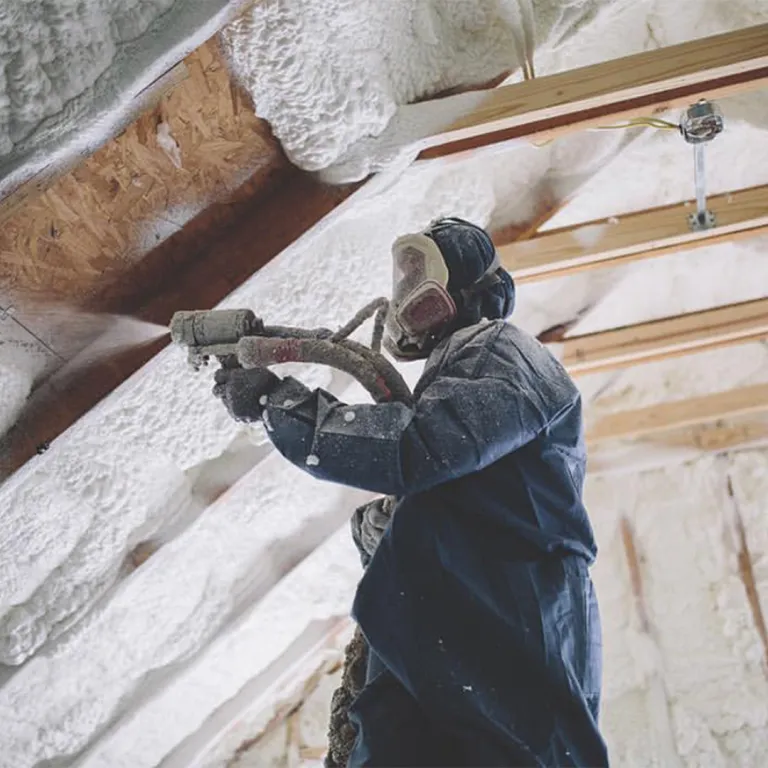
Types of Spray Foam Insulation Houston Contractors Install
When evaluating foam insulation options, homeowners encounter two primary formulations that deliver distinct performance characteristics. Understanding these differences helps you select the right solution for your specific climate control needs and budget tier.
Open-Cell Spray Foam: Flexible and Cost-Effective
Open-cell foam features a spongy texture with interconnected air pockets that create an R-value of approximately 3.5-3.7 per inch. This lighter-density option typically falls within the standard-tier to mid-tier range, making it accessible for whole-home applications.
However, the material’s semi-permeable nature means it allows some moisture vapor transmission. In Houston’s humid environment, this characteristic requires careful consideration. Open-cell foam works best in climate-controlled attics and interior walls where vapor barriers can manage moisture effectively.
Key advantages include:
- Superior sound dampening properties (reduces noise transmission by up to 80%)
- Excellent flexibility that accommodates structural movement
- Lower material costs per square foot
- Effective air sealing at R-13 to R-19 in standard wall cavities
Closed-Cell Spray Foam: Maximum Performance
In contrast, closed-cell formulations deliver an R-value of 6.0-7.0 per inch through tightly packed cells that block both air and moisture. This denser product typically represents a mid-tier to premium-tier investment, justified by its comprehensive protection.
Closed-cell foam acts as a complete vapor barrier, making it ideal for Houston’s challenging climate. The material adds structural rigidity—increasing wall strength by up to 250% according to building science research. This makes it particularly valuable for crawl spaces, exterior walls, and metal building applications where moisture intrusion poses serious risks.
Performance benefits include:
- Complete moisture barrier (prevents mold and mildew growth)
- Higher insulating value per inch (achieves R-30+ in standard roof assemblies)
- Enhanced structural support and wind resistance
- Flood-resistant properties in low-lying areas
Most contractors recommend closed-cell foam for Houston’s exterior applications and open-cell for interior soundproofing projects. Your specific needs—whether prioritizing moisture control, structural reinforcement, or acoustic performance—determine which formulation delivers optimal value.
Comparison: Open-Cell vs. Closed-Cell Spray Foam
| Feature | Open-Cell Foam | Closed-Cell Foam |
|---|---|---|
| R-Value per Inch | 3.5-3.7 | 6.0-7.0 |
| Moisture Resistance | Semi-permeable (needs vapor barrier) | Complete vapor barrier |
| Structural Support | Minimal | Increases wall strength 250%+ |
| Investment Tier | Standard-tier to mid-tier | Mid-tier to premium-tier |
| Best Applications | Interior walls, soundproofing | Exterior walls, crawl spaces, roofs |
| Expansion Rate | 100x original volume | 30x original volume |
Spray Foam Insulation Houston Cost and ROI
When evaluating professional insulation projects, homeowners typically invest between entry-tier and premium-tier amounts depending on square footage and foam type. However, the return on investment often justifies the initial expense through measurable energy savings and home value increases.
Understanding Installation Investment Tiers
Project scope determines your investment level. A standard 1,500-square-foot attic using open-cell foam generally falls into the mid-tier range, while closed-cell applications for the same area move into upper-tier or premium-tier categories. Factors affecting your final investment include:
- Foam type selection – Closed-cell costs approximately 50-75% more than open-cell per board foot
- Application area – Attics, walls, and crawl spaces each require different preparation
- Accessibility challenges – Hard-to-reach spaces increase labor time
- Existing insulation removal – Adding removal services raises the total investment
- R-value requirements – Higher insulation values require thicker application
Calculating Your Energy Savings
Most Houston homeowners see 30-50% reductions in cooling costs after installation. For instance, a home spending $2,400 annually on HVAC can save $720-$1,200 per year. According to the U.S. Department of Energy, proper air sealing and insulation can reduce heating and cooling costs by up to 20% in hot climates.
Therefore, a mid-tier investment often pays for itself within 3-5 years through utility savings alone. Additionally, this technology typically adds 3-5% to home resale value, with appraisers recognizing the energy efficiency improvements.
Long-Term Financial Benefits
Beyond immediate savings, professional foam delivers lasting value. The material maintains its R-value for 80+ years without settling or degrading. In addition, many Houston homeowners qualify for federal energy tax credits worth up to $1,200 annually under the Inflation Reduction Act, further improving ROI calculations.
As a result, the combination of monthly savings, increased property value, and available incentives makes this one of the most cost-effective home improvements available.
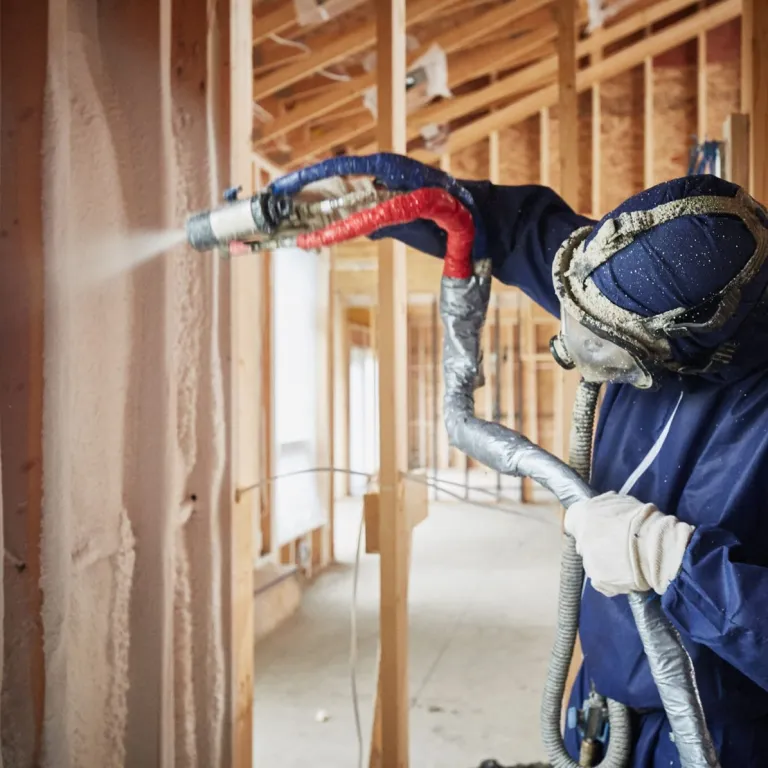
Applications and Areas for Spray Foam Insulation Houston
Professional contractors apply this versatile material in virtually every part of residential and commercial structures. However, understanding where foam delivers the greatest impact helps property owners prioritize upgrades and maximize energy savings.
Residential Attic Insulation
Attics represent the primary heat gain area in Houston homes, with temperatures frequently exceeding 140°F during summer months. Closed-cell foam applied to the underside of roof decking creates a conditioned attic space, reducing cooling loads by 30-40% according to Department of Energy studies. This application eliminates the need for traditional ventilation while protecting HVAC equipment installed in attic spaces.
In addition, this technology prevents the stack effect—the natural upward movement of hot air that drives energy loss in traditional vented attics. Homeowners typically see utility bill reductions of $50-$150 monthly during peak summer months.
Crawl Space and Foundation Sealing
Houston’s high water table and humidity levels make crawl spaces particularly vulnerable to moisture intrusion. Closed-cell foam applied to crawl space walls and rim joists creates an impermeable barrier that blocks both water vapor and outdoor air infiltration. This application reduces relative humidity levels from 70-80% down to 50-55%, preventing mold growth and wood rot.
For instance, sealing a 1,200-square-foot crawl space typically requires 2-3 inches of closed-cell foam, falling into the mid-tier to upper-tier investment range depending on access difficulty.
Commercial Metal Building Applications
Metal buildings face unique thermal challenges due to conductive steel framing and large surface areas. Professional foam eliminates thermal bridging while providing structural reinforcement—closed-cell foam adds approximately 300% racking strength to metal panels. Warehouses, manufacturing facilities, and agricultural buildings benefit from temperature stabilization that protects inventory and equipment while reducing HVAC operating costs by 40-60%.
Similarly, this technology prevents condensation on interior metal surfaces, a common problem that leads to rust and product damage in Houston’s humid climate.
Why Choose Apex Foam Solutions
When considering spray foam insulation Houston homeowners trust, Apex Foam Solutions stands out for its proven track record and commitment to quality. Our team brings over 15 years of combined experience to every project, ensuring your home receives the superior thermal protection it deserves.
Local Expertise That Makes a Difference
We understand Houston’s unique climate challenges better than anyone. Our technicians are trained specifically for Gulf Coast conditions, where humidity control and storm resilience matter just as much as temperature regulation. In addition, we maintain $2M liability insurance and full bonding, giving you complete peace of mind throughout the installation process.
Transparent Pricing and Exceptional Value
Unlike competitors who hide fees or surprise you with add-ons, we provide detailed estimates upfront. Our pricing tiers—from entry-tier solutions for small projects to premium-tier whole-home applications—ensure you get exactly what you need without paying for what you don’t. For example, most homeowners see energy savings of $400-$800 annually after installation, often qualifying for federal tax credits up to $1,200.
Quality Materials and Workmanship Guaranteed
We exclusively use manufacturer-certified products with proven R-values and longevity. Specifically, our closed-cell foam meets or exceeds ASTM standards for thermal performance and moisture resistance. Every installation includes:
- Comprehensive pre-inspection to identify air leaks and problem areas
- Precision application using calibrated equipment for consistent coverage
- Post-installation testing to verify proper adhesion and R-value achievement
- 10-year workmanship warranty backed by our service commitment
Because we’re locally owned and operated, your satisfaction directly impacts our reputation. That’s why we maintain a 4.9-star average rating across verified customer reviews, with over 500 completed projects throughout the Greater Houston area.
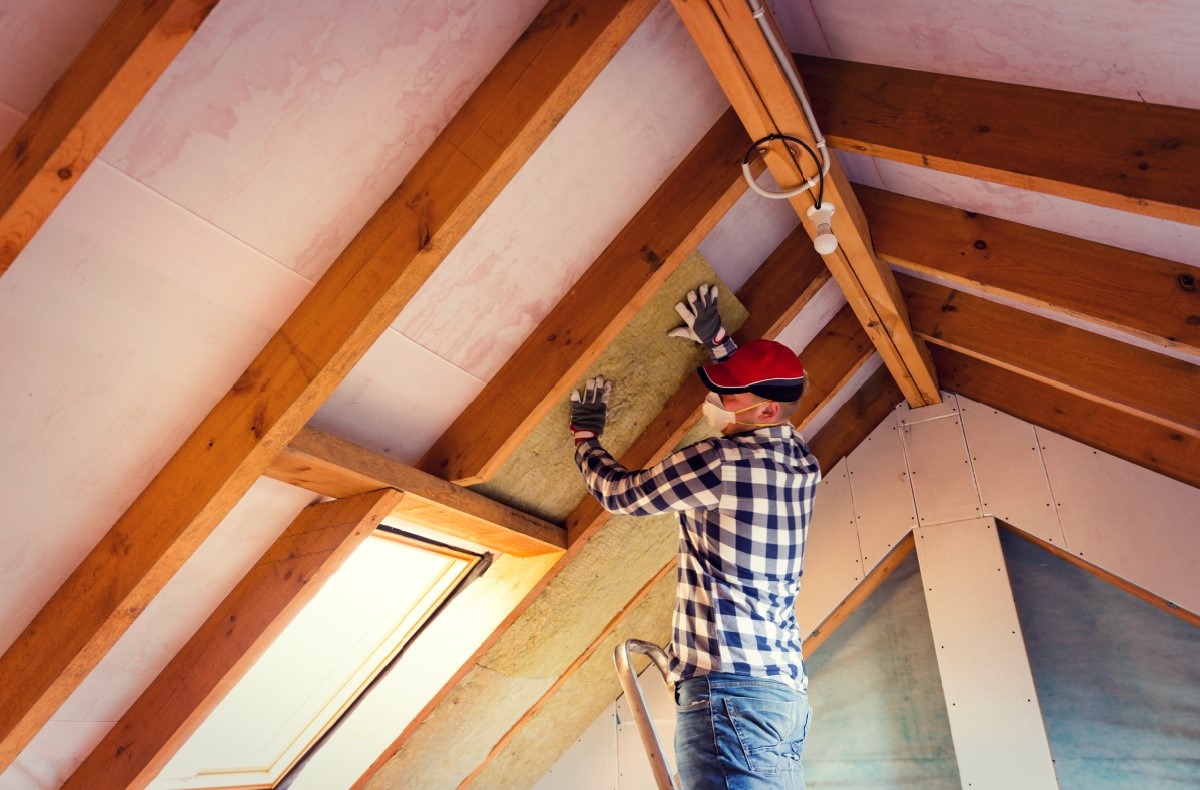
What Our Clients Say
Real homeowners across Greater Houston trust our foam solutions to protect their investments. However, we believe their experiences speak louder than any marketing message we could craft.
Verified Customer Experiences
Rachel D., Houston, TX shares her transformation story: “After installing professional foam insulation contractors recommended for our 1980s ranch, our August electric bills dropped from $420 to $285. The attic used to hit 140°F—now it stays below 95°F even during heat waves.”
Melissa J., Cypress, TX emphasizes comfort improvements: “We have three kids and two home offices. Before the upgrade, the upstairs bedrooms were unbearable in summer. Now every room stays within 2 degrees of our thermostat setting. No more fighting over the AC remote.”
Anthony P., The Woodlands, TX highlights professional service: “The crew arrived on time, protected our furniture with plastic sheeting, and completed our 2,800-square-foot attic in one day. They explained every step and showed me the R-value readings afterward. Zero mess, zero stress.”
Measurable Results Our Clients Report
In addition to comfort gains, homeowners consistently document:
- Energy savings averaging $1,200-$1,800 annually on combined heating and cooling costs
- Noise reduction of 30-50% from outdoor traffic and neighborhood activity
- Pest elimination within 60 days as rodents and insects lose entry points
- Resale value increases of $8,000-$12,000 according to local appraisers
Therefore, our client testimonials reflect both immediate comfort and long-term financial benefits that make this a smart investment for Houston-area properties.
Get Started With Professional Installation
Ready to transform your home’s comfort and efficiency? Getting started is straightforward when you work with experienced professionals. The process begins with a free consultation where certified technicians assess your property’s specific needs.
During the initial evaluation, experts measure your space, identify air leakage points, and recommend the best foam type for your application. Most residential projects take 1-2 days to complete, depending on square footage and complexity. However, the preparation phase is equally important—contractors will protect your belongings, ensure proper ventilation, and verify all safety protocols are in place.
What to expect during installation:
- Pre-installation inspection and surface preparation
- Climate-controlled application for optimal foam expansion
- Real-time thickness verification to meet R-value targets
- Post-installation curing period (typically 24 hours)
- Final walkthrough and performance verification
Professional installers carry $2M liability insurance and follow manufacturer specifications precisely. This attention to detail ensures your investment delivers the promised energy savings—often reducing cooling costs by 30-50% in Houston’s climate according to Department of Energy studies.
Contact certified contractors today to schedule your assessment. Most companies offer flexible financing options that align project costs with your monthly energy savings, making premium insulation accessible without upfront financial strain.