Introduction to Spray Foam Insulation Dallas TX
When considering Spray foam insulation Dallas TX, homeowners face a critical decision that impacts comfort, energy bills, and property value for decades. However, the North Texas climate presents unique challenges that make choosing the right insulation method essential.
Dallas experiences extreme temperature swings—scorching summers regularly exceeding 100°F and occasional winter freezes. This volatility places enormous stress on traditional insulation materials. In addition, the region’s humidity fluctuations create conditions where moisture infiltration becomes a serious concern for attic and wall cavities.
Spray polyurethane foam addresses these challenges through its dual-action performance. First, it creates an airtight seal that blocks conditioned air from escaping through gaps, cracks, and penetrations. Next, it provides superior R-value per inch compared to fiberglass or cellulose alternatives.
Why Dallas Homeowners Are Making the Switch
Local contractors report a 340% increase in foam insulation installations since 2020, according to the North American Insulation Manufacturers Association. This surge reflects growing awareness of three key advantages:
- Energy savings: Homeowners typically reduce cooling costs by 30-50% annually, with many saving $800-$1,200 per year on utility bills
- Moisture control: The closed-cell formula acts as a vapor barrier, preventing mold growth in humid conditions
- Structural reinforcement: Properly installed foam adds racking strength to wall assemblies
Because Dallas building codes now emphasize energy efficiency, many renovation projects require upgraded insulation to meet current standards. Therefore, understanding your options becomes crucial before starting any home improvement project.
Open-Cell vs Closed-Cell: Key Differences
| Feature | Open-Cell Foam | Closed-Cell Foam |
|---|---|---|
| R-Value per Inch | 3.5-3.7 | 6.0-7.0 |
| Density | 0.4-0.5 lb/ft³ | 1.7-2.0 lb/ft³ |
| Moisture Resistance | Moderate (vapor permeable) | Excellent (vapor barrier) |
| Best Applications | Interior walls, attics with ventilation | Exterior walls, crawl spaces, rooflines |
| Cost Tier | Entry-tier to standard-tier | Mid-tier to upper-tier |
For example, open-cell foam works well in interior applications where sound dampening matters most. On the other hand, closed-cell formulations excel in areas requiring maximum moisture protection and structural support.
For comprehensive guidance on attic insulation solutions, homeowners should evaluate both formulations based on their specific application needs. Similarly, metal building insulation projects often benefit from closed-cell products due to their superior moisture resistance.
Types of Spray Foam Insulation Dallas TX
In our experience, when considering foam insulation options, homeowners face two primary choices that differ significantly in performance and application. Each type serves distinct purposes based on your home’s specific needs and budget requirements.
Open-Cell Spray Foam
Open-cell foam features a spongy texture with tiny cells that aren’t completely closed. This creates a lighter, more flexible material that expands up to 100 times its liquid volume during application. The open structure allows some air and moisture permeability, making it ideal for interior walls and attic spaces where sound dampening matters most.
However, this foam type offers an R-value of approximately 3.5 to 3.7 per inch—lower than its closed-cell counterpart. It’s typically an entry-tier to standard-tier solution that works well for:
- Interior wall cavities
- Soundproofing between rooms
- Attic floor applications
- Projects where vapor barriers are already present
Closed-Cell Spray Foam
In contrast, closed-cell foam creates a rigid, dense barrier with completely sealed cells. This structure delivers an impressive R-value of 6.0 to 7.0 per inch—nearly double that of open-cell options. The material expands only 30 to 40 times its liquid volume but provides superior moisture resistance and structural reinforcement.
Closed-cell foam represents a mid-tier to premium-tier investment that excels in:
- Exterior walls and rim joists
- Crawl spaces and basements
- Metal building applications
- Areas prone to moisture exposure
- Spaces requiring maximum thermal efficiency
Choosing the Right Type
Therefore, your selection depends on several factors. For example, homes in flood-prone areas benefit from closed-cell’s water resistance, while budget-conscious renovations may favor open-cell for interior applications. Many contractors recommend a hybrid approach—using closed-cell in critical areas like exterior walls and open-cell for interior soundproofing. This strategy balances performance with cost-effectiveness while addressing your home’s unique thermal and moisture challenges.
Benefits of Spray Foam Insulation Dallas TX
When considering foam insulation, homeowners quickly discover advantages that extend far beyond basic temperature control. This high-performance material delivers measurable improvements in energy efficiency, indoor comfort, and long-term property value.
Superior Energy Efficiency and Cost Savings
First, spray foam creates an airtight thermal barrier that dramatically reduces energy waste. According to the U.S. Department of Energy, air leakage accounts for 25-40% of heating and cooling costs in typical homes. Closed-cell foam insulation blocks this leakage with R-values between 6.0 and 7.0 per inch—nearly double that of traditional fiberglass batts.
Dallas homeowners typically save $300 to $800 annually on utility bills after upgrading to spray foam. In addition, many qualify for federal tax credits up to $1,200 under the Inflation Reduction Act’s energy efficiency provisions, making the investment more accessible.
Enhanced Indoor Air Quality and Comfort
However, energy savings represent just one dimension of value. Spray foam also seals out outdoor pollutants, allergens, and humidity that compromise indoor air quality. The material’s closed-cell structure prevents moisture infiltration, eliminating conditions where mold and mildew thrive.
For example, Dallas’s humid subtropical climate creates ideal conditions for moisture problems in poorly insulated spaces. This insulation method addresses that vulnerability while maintaining consistent temperatures throughout your home—no more hot spots in summer or cold drafts in winter.
Structural Support and Longevity
Meanwhile, closed-cell spray foam adds measurable structural strength to walls and roofs. Studies show it can increase racking strength by up to 300%, providing extra protection during severe weather events. Because the material doesn’t sag, settle, or degrade over time, it maintains full performance for decades without replacement.
Key long-term benefits include:
- Lifetime durability with no maintenance requirements
- Noise reduction of 50% or more between rooms
- Pest deterrent properties that discourage rodent intrusion
- Increased resale value averaging 3-5% above comparable homes
As a result, property owners view spray foam as a permanent upgrade rather than a temporary fix, making it an excellent choice for both new construction and retrofit applications.
Installation Process and Timeline
Our team has seen ### What to Expect During Your Spray Foam Application
When planning foam insulation installation, most residential projects follow a predictable sequence that minimizes disruption to your daily routine. Professional contractors typically complete attic applications in one to two days, while whole-home projects may extend to three to five days depending on square footage and complexity.
However, the timeline varies based on several factors. Weather conditions play a crucial role, as spray foam requires temperatures between 60°F and 90°F for optimal curing. Additionally, surface preparation adds time but ensures proper adhesion and long-term performance.
Pre-Installation Preparation Steps
Before application begins, contractors perform essential prep work that sets the stage for success. First, they inspect all surfaces for moisture, damage, or existing insulation that needs removal. Next, they seal major air leaks around windows, doors, and penetrations to maximize thermal efficiency.
The team also protects your belongings by covering furniture, flooring, and HVAC systems. Most professionals require homeowners to vacate the property for 24 hours after application, allowing proper ventilation and curing. For example, open-cell foam typically becomes safe for re-entry within 2-4 hours, while closed-cell formulations may require 24-48 hours according to EPA indoor air quality guidelines.
Application Day: Step-by-Step Process
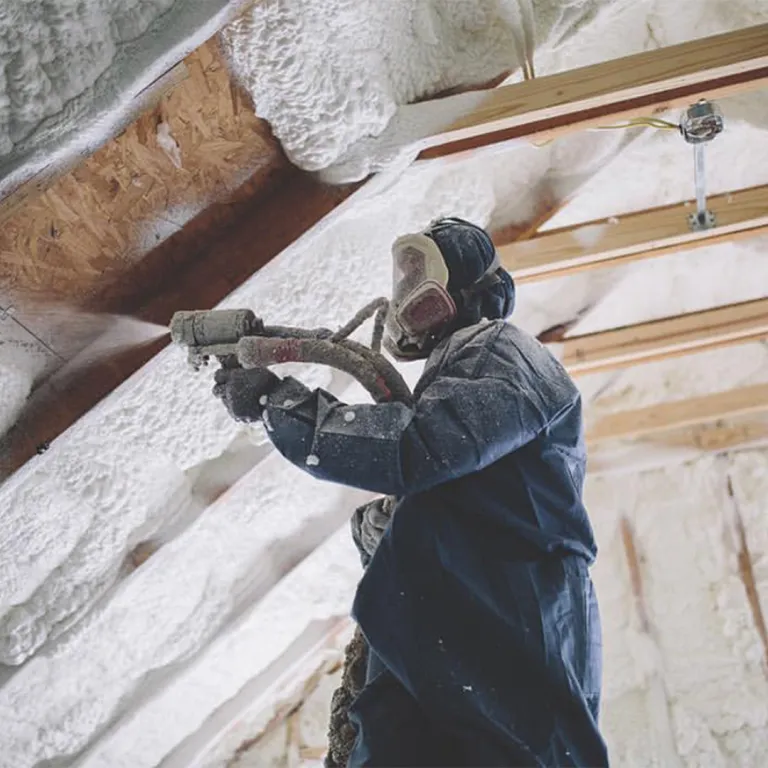
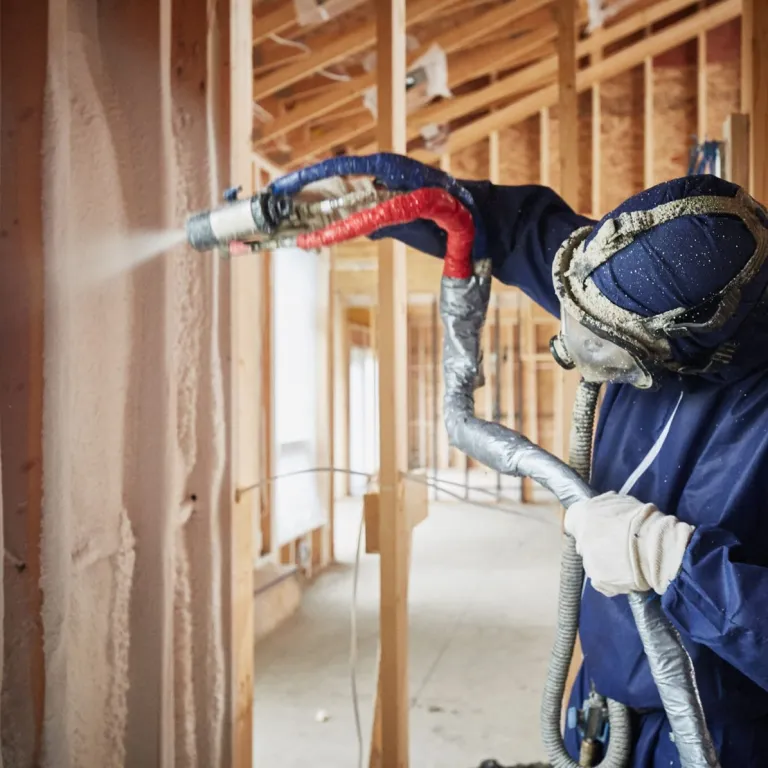
On installation day, certified technicians arrive with specialized equipment including spray rigs, protective gear, and ventilation systems. The actual application follows this sequence:
- Surface cleaning and masking (30-60 minutes per room)
- Foam application in multiple passes to achieve target R-value
- Trimming and finishing excess material for clean edges
- Quality inspection using thermal imaging cameras
Post-Installation Curing and Inspection
After application, the foam expands to fill gaps and begins its curing process. Therefore, contractors schedule a final walkthrough within 48-72 hours to verify coverage, check for voids, and address any concerns. This inspection ensures you receive the full thermal performance and energy savings you expect from your investment.
Most installers provide documentation including R-value certifications, warranty information, and maintenance recommendations during this final visit.
Cost Factors and ROI
Understanding the investment in foam insulation starts with recognizing the variables that shape your project budget. However, the initial outlay represents only part of the financial picture—long-term savings often eclipse upfront expenses within a few years.
What Influences Your Project Investment
Several factors determine whether your insulation project falls into the entry-tier or premium-tier range. First, the type of foam matters significantly. Closed-cell formulations typically command upper-tier pricing due to their superior R-value and moisture-blocking properties, while open-cell options generally sit in the standard-tier to mid-tier range.
Project scope drives costs considerably. For example, insulating a 1,500-square-foot attic requires different resources than sealing a 300-square-foot crawlspace. Additionally, these variables affect your final investment:
- Accessibility challenges: Hard-to-reach areas or complex architectural features increase labor requirements
- Existing insulation removal: Extracting old materials adds to the project timeline and cost
- Surface preparation needs: Damaged substrates or moisture issues require remediation before application
- Thickness requirements: Building codes and climate zones dictate minimum R-values, influencing material volume
According to the U.S. Department of Energy, proper insulation can reduce heating and cooling costs by up to 20% annually, translating to $200-$600 in savings for typical Dallas-area homes.
Calculating Your Return on Investment
Most Dallas homeowners recover their insulation investment within 3-7 years through reduced utility bills. Because Texas summers push HVAC systems hard, the energy savings compound quickly. A home spending $2,400 annually on climate control might save $480-$720 per year after upgrading to spray foam—a 20-30% reduction.
Beyond monthly savings, consider these financial benefits:
- Property value increase: Energy-efficient homes command 3-5% higher resale prices
- Federal tax credits: The Inflation Reduction Act offers up to $1,200 annually for qualifying efficiency improvements
- Extended HVAC lifespan: Reduced system runtime can add 3-5 years to equipment life, delaying a $6,000-$12,000 replacement
- Lower maintenance costs: Air sealing prevents moisture intrusion that causes structural damage
Therefore, evaluating spray foam purely on installation cost misses the complete financial picture. The combination of immediate comfort improvements and measurable long-term savings makes this upgrade one of the highest-ROI home improvements available.
FAQ
Ready to Upgrade Your Home’s Insulation?
If you’re considering spray foam insulation for your property, Apex Foam Solutions brings over 15 years of experience serving homeowners throughout the region. Our licensed and insured team specializes in both residential and commercial applications, delivering superior results that stand the test of time.
We serve Houston, TX and surrounding areas with the same commitment to quality and customer satisfaction. Contact us today at (832) 400-3344 to schedule a free consultation and discover how foam insulation can transform your home’s comfort and efficiency.
Apex Foam Solutions
Houston, TX 77085
Phone: (832) 400-3344
Whether you need attic insulation, crawl space sealing, or a complete thermal envelope upgrade, our certified technicians provide expert guidance and professional installation from start to finish.