
When considering spray foam insulation Austin TX, homeowners face a unique set of climate challenges that demand superior thermal protection. Austin’s scorching summers regularly push temperatures above 100°F, while winter lows can dip into the 30s, creating year-round demands on HVAC systems. In fact, according to the U.S. Energy Information Administration, Texas households spend an average of $1,950 annually on energy costs—significantly higher than the national average of $1,380.
However, this insulation method offers a proven solution to combat these extreme temperature swings. Unlike traditional fiberglass batts that leave gaps and settle over time, the material expands to fill every crack and crevice in your home’s envelope. This creates an airtight barrier that stops conditioned air from escaping and prevents hot, humid outdoor air from infiltrating your living spaces.
Why Austin Homeowners Choose Spray Foam
In our experience, the benefits extend far beyond simple temperature control. Because Austin’s climate combines intense heat with high humidity—especially during summer months—moisture infiltration becomes a serious concern. The closed-cell formulation acts as both an insulator and a vapor barrier, protecting your home from mold growth and structural damage.
For example, homeowners who upgrade to this insulation typically see energy savings of 30-50% on their monthly utility bills. That translates to $500-$900 in annual savings for an average 2,000-square-foot home. Additionally, the Federal Energy Tax Credit allows qualifying homeowners to claim up to 30% of installation costs, with a maximum credit of $1,200 for energy-efficient home improvements.
In addition, the material increases your home’s resale value while improving indoor air quality by sealing out allergens, dust, and outdoor pollutants—a critical consideration for Austin’s notorious cedar fever season.
How Spray Foam Insulation Works in Austin’s Climate
When evaluating insulation options, homeowners often wonder how this material stands up to the region’s unique weather patterns. Austin experiences scorching summers with temperatures regularly exceeding 100°F and mild winters that still demand heating. This extreme temperature swing creates a challenging environment for traditional insulation methods.
The Science Behind Spray Foam Performance
The material works by creating an airtight seal that blocks heat transfer through both conduction and convection. When applied, the liquid foam expands up to 100 times its original volume, filling every crack and gap in your building envelope. This expansion creates a continuous barrier that traditional fiberglass batts simply cannot match.
In Austin’s climate, this matters significantly. According to the U.S. Department of Energy, air leakage accounts for 25-40% of energy used for heating and cooling in typical homes. However, superior air-sealing properties can reduce this loss dramatically.
Heat Resistance in Central Texas Conditions
The R-value measures insulation’s resistance to heat flow. Closed-cell foam delivers R-6 to R-7 per inch, while open-cell provides R-3.5 to R-4 per inch. For Austin attics where summer temperatures can reach 150°F, this thermal resistance becomes critical.
Key performance factors include:
- Moisture control – Closed-cell foam acts as a vapor barrier, preventing humidity infiltration that damages traditional insulation
- Structural reinforcement – The rigid foam adds up to 250% racking strength to walls
- Longevity – Unlike fiberglass that settles and degrades, spray foam maintains its R-value for decades
Year-Round Energy Efficiency
Because Austin requires both cooling and heating throughout the year, this insulation delivers dual-season benefits. During summer months, it blocks radiant heat from penetrating your living space. In winter, it prevents warm air from escaping through your building envelope.
Homeowners typically see energy savings of 30-50% on their utility bills after installation. For an average Austin home spending $2,400 annually on HVAC costs, this translates to $720-$1,200 in yearly savings—making the investment financially sound over time.
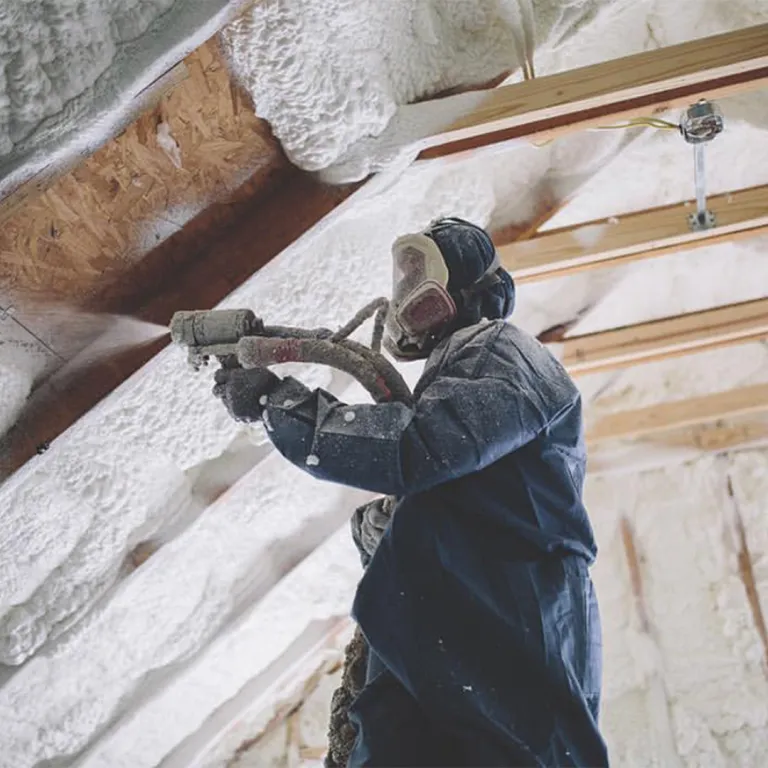
Spray Foam Insulation Austin TX Cost and ROI
Our team has seen when considering professional installation, homeowners want to understand both upfront investment and long-term financial benefits. The cost structure varies based on project scope, foam type, and square footage, while return on investment depends on energy savings and home value increases.
Understanding Investment Tiers for Austin Projects
Projects typically fall into distinct investment categories. Entry-tier work often covers smaller areas like rim joists or crawl spaces. Standard-tier installations handle single-room applications or partial attic coverage. Mid-tier projects encompass full attic insulation for average-sized homes. Upper-tier work includes whole-house applications with multiple zones. Premium-tier installations combine extensive coverage with specialized applications like metal buildings or commercial spaces.
However, the real value emerges when you examine energy savings over time. According to the U.S. Department of Energy, proper insulation can reduce heating and cooling costs by up to 20% annually. For Austin homeowners spending $2,400 yearly on HVAC, that translates to $480 in annual savings.
Calculating Your Return on Investment
The ROI calculation becomes compelling when you factor in multiple benefits:
- Energy savings: Most Austin homeowners recover their investment within 3-7 years through reduced utility bills
- Federal tax credits: The Inflation Reduction Act offers up to 30% back on qualifying insulation projects, capped at $1,200 annually
- Home value increase: Energy-efficient upgrades typically add 3-5% to resale value
- HVAC longevity: Reduced system runtime extends equipment life by 2-5 years, avoiding replacement costs averaging $7,000
| Investment Tier | Coverage Area | Typical Payback Period | Annual Energy Savings |
|---|---|---|---|
| Entry-tier | Rim joists, small crawl spaces | 2-3 years | $200-$400 |
| Standard-tier | Single room or partial attic | 3-4 years | $400-$600 |
| Mid-tier | Full attic (1,500-2,000 sq ft) | 4-5 years | $600-$900 |
| Upper-tier | Whole-house, multiple zones | 5-7 years | $900-$1,400 |
| Premium-tier | Commercial or specialized | 6-8 years | $1,400+ |
For example, a mid-tier attic insulation project saving $600 annually, combined with a $360 tax credit, effectively pays for itself in under five years. Meanwhile, your home gains market appeal and your AC unit experiences less wear during brutal Texas summers.
Austin-Specific Cost Factors
In addition, several local factors influence project pricing. Austin’s building codes require specific R-values for different applications. The city’s extreme temperature swings—from freezing winters to 100°F+ summers—demand higher-performance solutions. Finally, accessibility challenges in older homes or properties with limited attic access can affect installation complexity and labor requirements.
Types of Spray Foam Insulation for Austin Homes
When evaluating insulation options, homeowners discover two primary formulations that serve different purposes. Each type offers distinct advantages for Central Texas climate conditions, and understanding these differences helps you make an informed decision for your property.
Open-Cell Spray Foam: Lightweight and Sound-Dampening
Open-cell foam expands to approximately 100 times its liquid volume, creating a soft, spongy texture. This formulation typically achieves an R-value of 3.5 to 3.7 per inch—lower than its closed-cell counterpart but still effective for many applications.
However, this type excels at sound absorption, making it ideal for interior walls and media rooms. The open cellular structure allows air molecules to move within the material, which dampens sound waves effectively. According to the Department of Energy, open-cell foam costs roughly 30-40% less than closed-cell options while still providing substantial thermal benefits.
Key characteristics include:
- Density of approximately 0.5 pounds per cubic foot
- Excellent for soundproofing between rooms
- Requires a vapor barrier in humid climates
- More flexible and forgiving during building movement
Closed-Cell Spray Foam: Maximum Insulation and Structural Support
Closed-cell foam delivers superior insulation performance with an R-value of 6.0 to 7.0 per inch. This dense formulation expands to about 30 times its original volume, creating a rigid barrier that adds structural integrity to walls and roofs.
For instance, closed-cell foam can increase wall strength by up to 250% according to industry testing. The material’s impermeable nature makes it an effective moisture barrier, eliminating the need for additional vapor retarders in most Austin applications.
Notable benefits include:
- Density of approximately 2.0 pounds per cubic foot
- Acts as both insulation and air barrier
- Resists water infiltration and mold growth
- Ideal for exterior walls, roofs, and crawl spaces
Choosing the Right Type for Your Project
Most Austin contractors recommend closed-cell foam for attics and exterior applications where maximum thermal resistance matters. Meanwhile, open-cell foam works well for interior partitions where sound control takes priority over extreme insulation values. The choice ultimately depends on your specific performance goals, budget tier, and the areas you’re insulating.
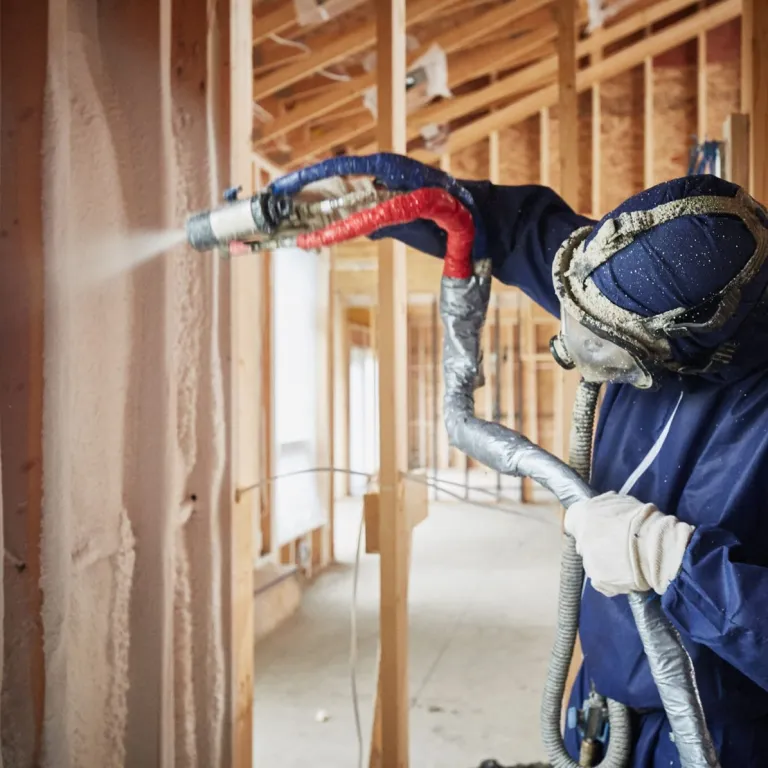
Benefits of Spray Foam Insulation Austin TX
Based on our work with clients, homeowners unlock a range of advantages that go far beyond basic temperature control. This advanced insulation solution addresses the unique challenges of Central Texas living while delivering measurable improvements in comfort, efficiency, and long-term home value.
Superior Energy Efficiency and Cost Savings
The material creates an airtight seal that dramatically reduces energy waste. In fact, the U.S. Department of Energy reports that proper air sealing can reduce heating and cooling costs by up to 20% annually. For Austin homeowners, this translates to savings of $300-$600 per year on utility bills, depending on home size and current insulation levels.
The high R-value per inch means better thermal resistance in less space. Closed-cell foam delivers R-6.5 to R-7 per inch, while open-cell provides R-3.5 to R-4 per inch. This efficiency helps your HVAC system work less, extending its lifespan by an average of 3-5 years according to industry data.
Enhanced Indoor Air Quality and Moisture Control
Because the material forms a complete barrier, it blocks airborne allergens, dust, and outdoor pollutants from entering your living space. This sealed environment is particularly valuable during Austin’s high pollen seasons, which typically run from January through June.
Additionally, closed-cell foam acts as a vapor barrier, preventing moisture intrusion that leads to mold growth. The EPA identifies moisture control as the most critical factor in preventing mold-related health issues. In Austin’s humid climate, where relative humidity often exceeds 70%, this protection is essential.
Structural Reinforcement and Noise Reduction
Closed-cell foam adds structural integrity to walls and roofs, increasing racking strength by up to 250%. This added rigidity helps homes better withstand severe weather events, including the intense storms common in Central Texas.
Moreover, the material significantly reduces noise transmission. Homeowners typically experience a 50-80% reduction in outside noise, creating a quieter indoor environment. This benefit is especially valuable for homes near highways, airports, or busy commercial areas.
Long-Term Durability and Home Value
Unlike traditional insulation materials that settle or degrade over time, spray foam maintains its performance for decades. Most manufacturers offer warranties of 20-30 years, and the material itself can last the lifetime of your home when properly installed.
Finally, energy-efficient upgrades increase property values. According to Remodeling Magazine’s Cost vs. Value Report, insulation improvements typically recoup 70-100% of their cost at resale, making them one of the smartest home investments available.
Customer Results: Real Austin Homeowners Share Their Experiences
When considering professional installation, homeowners want proof that the investment delivers measurable results. Local customers consistently report dramatic improvements in comfort, energy savings, and home value after installation.
Energy Bill Reductions That Add Up
Austin homeowners typically see energy savings of 30-50% annually after upgrading. For example, a 2,200-square-foot home in Cedar Park reduced monthly cooling costs from $280 to $165 during peak summer months—saving over $1,380 per year. Similarly, a Pflugerville family cut their annual utility expenses by $1,850 within the first 12 months.
These savings compound over time. According to the U.S. Department of Energy, proper insulation can reduce heating and cooling costs by up to 20% nationwide, with even higher percentages in extreme climates like Central Texas.
Comfort Improvements Homeowners Notice Immediately
Beyond the numbers, customers report:
- Consistent temperatures throughout every room, eliminating hot and cold spots
- Reduced noise from outside traffic and neighborhood activity
- Lower humidity levels that prevent mold growth and musty odors
- Fewer allergens entering through air leaks and gaps
One Round Rock homeowner noted, “Our master bedroom used to be 8 degrees warmer than the living room in summer. Now the entire house stays at 72 degrees without our AC running constantly.”
Long-Term Value and ROI
Most Austin installations reach payback within 3-5 years through energy savings alone. Additionally, homes with quality insulation command higher resale values—appraisers recognize energy-efficient upgrades as premium features that attract buyers in Texas’s competitive real estate market.
FAQ
Get Started with Professional Installation
Ready to upgrade your home’s comfort and energy efficiency? Getting started is simpler than most homeowners expect. The process begins with a free consultation where certified technicians assess your attic, walls, or crawl space to identify air leaks and insulation gaps.
During the initial visit, professionals measure your space and explain which foam type—open-cell or closed-cell—best suits your climate needs and budget. Most Austin homes benefit from closed-cell foam in attics due to its superior moisture resistance during humid summers.
Next steps include:
- Scheduling your installation during mild weather for optimal curing
- Clearing attic access and moving stored items
- Reviewing your project timeline (typically 1-2 days for standard homes)
- Discussing financing options if needed
However, choosing the right contractor matters significantly. Look for licensed installers with verifiable references and proper insurance coverage. The Building Performance Institute recommends contractors who follow industry safety standards and use quality materials from reputable manufacturers.
Most projects move from consultation to completion within two weeks. In fact, homeowners often see immediate temperature improvements and notice reduced HVAC runtime within the first billing cycle.