
When considering crawl space insulation Houston TX, homeowners quickly discover that this single upgrade can transform how their home feels and performs year-round. Houston’s climate is tough. High humidity, scorching summers, and mild but damp winters create a perfect storm of energy loss and moisture problems beneath your home.
Why Houston Homes Need Specialized Under-Floor Protection
When planning crawl space insulation Houston TX projects, homeowners quickly discover that local conditions create unique challenges. Houston’s climate is not like most of the country. It demands a smarter, more targeted approach to under-home insulation.
Houston’s Humidity Problem Is Real
Houston averages over 70% relative humidity for much of the year. That moisture doesn’t just sit in the air — it seeps into your crawl space. As a result, untreated spaces beneath your home become breeding grounds for mold, wood rot, and pest activity.
According to the EPA, indoor moisture above 60% relative humidity creates ideal conditions for mold growth. Houston regularly exceeds that threshold outdoors, which means your crawl space is constantly at risk.
Key moisture-related risks Houston homeowners face:
- Wood rot on floor joists and beams
- Mold and mildew spreading into living areas
- Pest infestations, including termites and rodents
- Buckled or soft flooring above the crawl space
- Poor indoor air quality throughout the home
Clay Soil and Flooding Add More Pressure
Houston sits on expansive clay soil. This soil absorbs water and swells, then shrinks when it dries. For example, this constant movement can crack foundations and shift crawl space walls over time.
In addition, Houston’s flood-prone geography means standing water under homes is a real concern — especially after heavy rain events. Even minor flooding leaves behind moisture that proper insulation alone cannot handle.
Neighborhoods like The Woodlands, Cypress, and Channelview each face distinct drainage challenges. Consequently, the right under-floor protection strategy must account for local soil and flood-risk conditions.
Heat and Energy Loss Work Together
Houston summers are brutal. Meanwhile, a poorly protected crawl space lets hot, humid air push up through your floors. Your HVAC system works harder, and your energy bills climb.
The U.S. Department of Energy notes that proper under-floor insulation can reduce heating and cooling costs by up to 15%. For Houston homeowners running AC nearly year-round, that translates to meaningful annual savings on utility bills.
Why Standard Solutions Fall Short
Many insulation products are designed for dry, northern climates. However, those same materials can trap moisture in Houston’s humid environment, making problems worse instead of better.
Specifically, fiberglass batts — a common choice elsewhere — can absorb moisture and lose their effectiveness quickly under Houston homes. That’s why local experts often recommend moisture-resistant alternatives tailored to this region. For a closer look at how this type of work is done, visit our crawl space sealing project page.
Best Under-Floor Insulation Materials for Houston Homes
When planning crawl space insulation Houston TX homeowners face a unique challenge: materials must handle high humidity, intense heat, and the occasional winter freeze — all in the same year. Choosing the right under-floor insulation means matching each material to those local demands.
Closed-Cell Spray Foam
Closed-cell spray foam is the top choice for Houston crawl spaces. It does two jobs at once: it insulates and acts as a vapor barrier.
Key benefits include:
- R-value of 6–7 per inch — the highest of any common material
- Blocks moisture rising from soil
- Adds structural rigidity to floor joists
- Resists mold and pest intrusion
Because Houston averages over 50 inches of rain per year, moisture control is just as important as thermal performance. Learn more about closed-cell spray foam options and our spray foam insulation services for your home.
Rigid Foam Board
Rigid foam board is a solid mid-tier option. For instance, polyisocyanurate boards reach R-6 per inch and hold up well in damp spaces.
- Easy to cut and fit between joists
- Moisture-resistant face layers
- Works well in encapsulated spaces
However, gaps must be sealed with spray foam or tape. Otherwise, humid air sneaks through and reduces performance.
Fiberglass Batt Insulation
Fiberglass batts are the most common entry-tier choice. They are widely available and easy to install between floor joists.
Important caveats for Houston homes:
- This material absorbs moisture and can sag over time
- Requires a separate vapor barrier below
- Less effective in vented spaces with high humidity
In fact, the U.S. Department of Energy recommends pairing batts with a ground cover vapor barrier in humid climates.
Encapsulation vs. Vented Methods
The installation method matters as much as the material itself.
| Method | Best Material Pairing | Moisture Control |
|---|---|---|
| Encapsulated (sealed) | Closed-cell spray foam | Excellent |
| Conditioned crawl space | Rigid foam board | Very Good |
| Vented crawl space | Fiberglass + vapor barrier | Fair |
Encapsulated spaces consistently deliver the strongest energy and moisture performance in Gulf Coast conditions. For Houston homes, this sealed approach is the clear long-term winner.
How Professional Crawl Space Insulation Installation Works in Houston
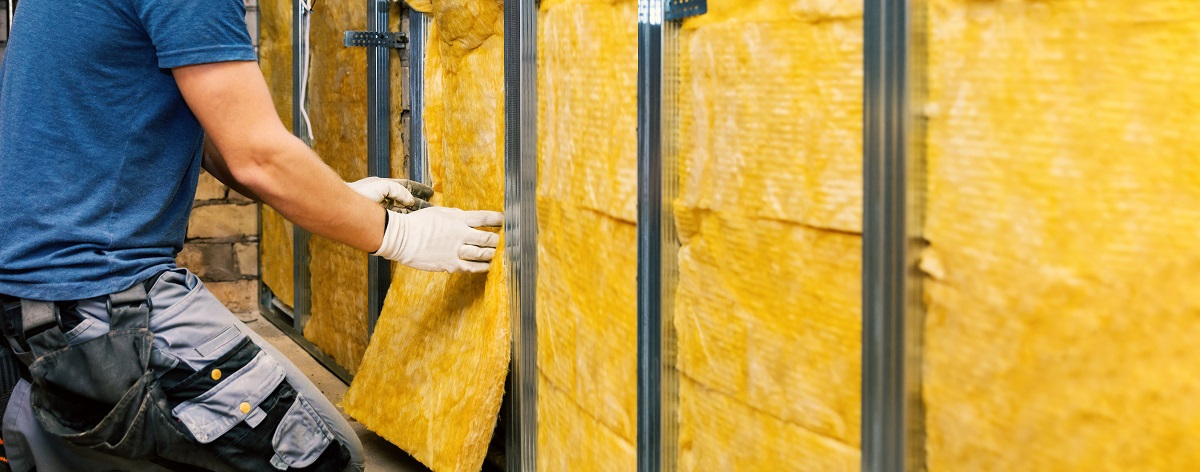
Understanding how this work gets done helps you know what to expect. When scheduling crawl space insulation Houston TX service, homeowners often feel more confident once they see the clear steps involved. Each step matters for long-term performance.
Our team is licensed and certified in insulation installation, serving Houston, The Woodlands, Cypress, Channelview, and College Station. In our experience, skipping any step in the installation process leads to costly callbacks within just a few years.
Step 1: Inspection and Prep Work
First, a technician inspects your crawl space thoroughly. They look for moisture damage, mold, pest activity, and existing insulation problems.
Key prep tasks include:
- Removing old or damaged insulation that holds moisture
- Sealing air gaps and cracks in the foundation walls
- Treating any mold or mildew before new materials go in
- Checking for standing water or drainage issues
According to the EPA, moisture control is the most critical step before any under-floor insulation work begins. Skipping this leads to bigger problems later.
Step 2: Vapor Barrier Installation
Next, crews install a heavy-duty vapor barrier across the ground. This plastic sheeting — typically 10 to 20 mil thick — blocks ground moisture from rising into your home.
Seams overlap by at least 12 inches. Workers tape and seal every edge tightly. This step alone can reduce indoor humidity levels noticeably.
Step 3: Insulating the Walls or Joists
After the barrier is in place, insulation goes on the walls or floor joists above. The right choice depends on whether the space is vented or encapsulated.
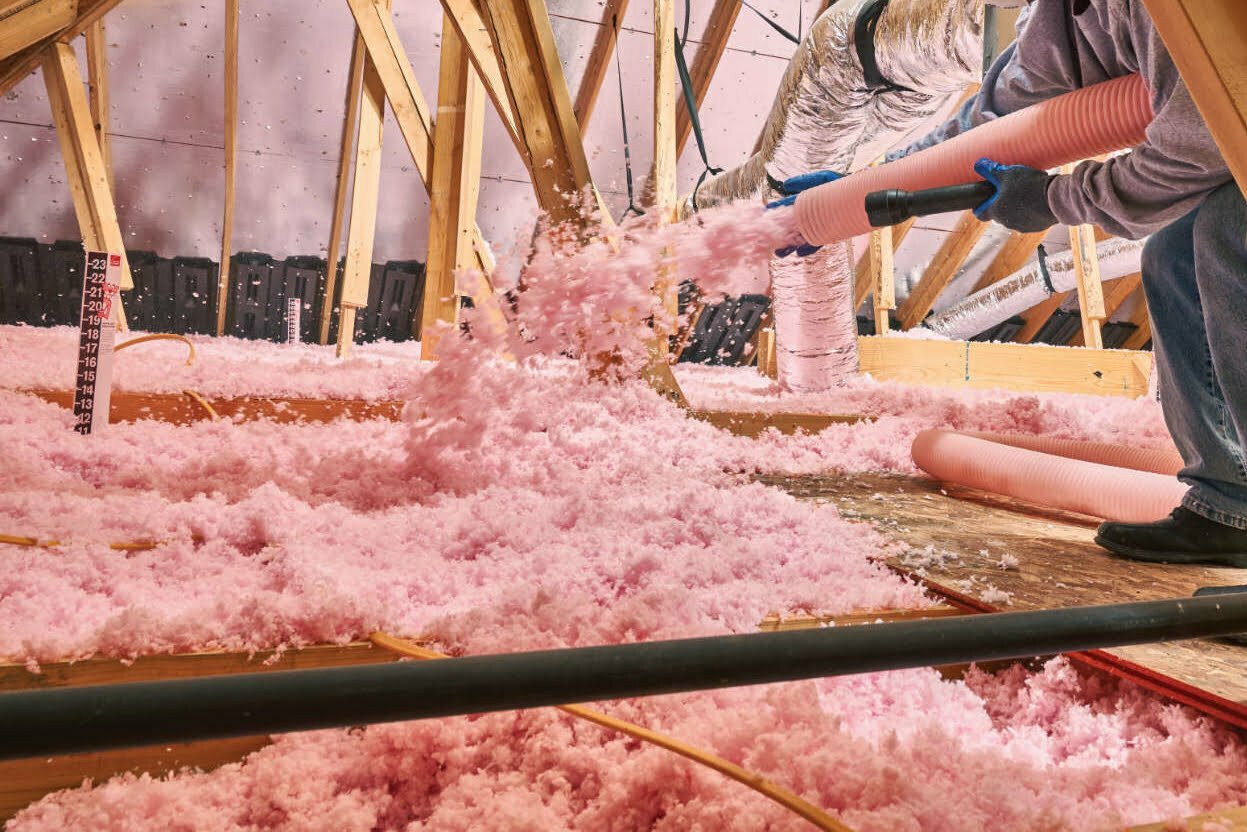
- Vented crawl spaces: Insulation fits between floor joists using batts or blown-in material
- Encapsulated spaces: Rigid foam or spray foam lines the foundation walls instead
For more on spray foam options, visit our spray foam insulation services page.
Step 4: Air Sealing and Final Checks
Finally, technicians seal all remaining gaps around pipes, vents, and beams. This stops conditioned air from escaping and keeps pests out.
A final walkthrough covers:
- Confirming full vapor barrier coverage
- Checking insulation for gaps or compression
- Testing for air leaks with a flashlight or smoke pen
- Documenting the work with photos
The U.S. Department of Energy recommends sealing and insulating crawl spaces as one of the most effective home energy upgrades available. For related work above your crawl space, explore our insulation removal and replacement services.
Investment Tiers and ROI for Houston Crawl Space Insulation
When planning crawl space insulation Houston TX upgrades, understanding the tier structure helps you make a smart choice. However, cost is only part of the story. The real question is: what do you get back?
Insulation Tiers at a Glance
Different materials fall into different investment tiers. Here’s a quick breakdown for Houston homes:
- Entry-tier: Basic fiberglass batt — low upfront cost, shorter lifespan in humid conditions
- Standard-tier: Rigid foam board — better moisture resistance, good R-value per inch
- Mid-tier: Open-cell spray foam — excellent air sealing, ideal for Houston’s mixed climate
- Upper-tier: Closed-cell spray foam — highest R-value, strong vapor barrier, long-lasting
- Premium-tier: Full encapsulation systems — combines insulation, vapor barrier, and drainage for total protection
What Drives the Final Investment?
Several factors affect where your project lands on the tier scale:
- Crawl space size — larger square footage increases scope
- Existing damage — mold, rot, or old insulation removal adds work
- Access difficulty — tight spaces take more labor time
- Material choice — higher-performance products cost more upfront
Because Houston’s humidity is extreme, skipping quality often means paying twice. For a closer look at material options, see our spray foam insulation page.
ROI: Where the Numbers Get Interesting
This is where proper insulation really earns its keep. According to the U.S. Department of Energy, under-floor insulation can cut heating and cooling costs by 10–20%. In addition, the ENERGY STAR program notes that air sealing combined with insulation delivers the strongest returns.
Payback Period by Tier
| Tier | Typical Payback Window |
|---|---|
| Entry-tier | 4–6 years |
| Standard-tier | 3–5 years |
| Mid-tier | 2–4 years |
| Upper-tier | 2–3 years |
| Premium-tier | 3–5 years (added home value) |
Finally, don’t overlook federal incentives. The IRS Energy Efficient Home Improvement Credit offers a substantial annual credit for qualifying insulation upgrades — verify the current amount at irs.gov. That can meaningfully shorten your payback window.
Check our financing options and see what a real Houston homeowner experienced on our testimonials page.
Frequently Asked Questions About Crawl Space Insulation Houston TX
Conclusion
Protecting your home from the ground up is one of the smartest moves you can make. Houston’s heat, humidity, and heavy rainfall create unique challenges that demand the right materials and methods.
Our licensed and certified insulation team has served Houston homeowners across The Woodlands, Cypress, Channelview, and College Station. Based on our work with hundreds of local homes, we’ve seen firsthand how the right materials and installation method can transform comfort, air quality, and energy efficiency for decades.
Key takeaways to remember:
- Spray foam and encapsulation work best in Houston’s climate
- Meaningful energy savings are realistic after a proper upgrade
- Federal tax credits can offset a significant portion of your project investment
- Always verify contractor licensing and insurance before signing
Don’t wait for moisture damage or rising energy bills to push you into action. Take a proactive step today. Contact our team to schedule your free crawl space assessment, or visit our FAQ page for more answers. A properly insulated crawl space protects your floors, your air quality, and your home’s value for decades to come.