
Attic Insulation Houston TX: Your Guide to Energy Savings
When considering attic insulation Houston TX, homeowners face unique challenges that demand specialized solutions. Houston’s subtropical climate creates extreme temperature swings, with summer attic temperatures regularly exceeding 150°F while winter months bring unexpected cold snaps. This thermal stress makes proper attic insulation one of the most critical investments for energy efficiency and home comfort.
However, many Houston-area homes suffer from inadequate or deteriorating insulation. According to the U.S. Department of Energy, nearly 90% of homes in the United States are under-insulated, and Houston’s aging housing stock faces particular vulnerability. Homes built before 2000 often contain insulation that has compressed, settled, or absorbed moisture over decades of use.
Table of Contents
- Why Attic Insulation Houston TX Is Essential
- Attic Insulation Houston TX: Types and Performance
- Pricing & Investment Tiers
- Energy Savings and ROI for Houston Homeowners
- Proven Performance Data
- FAQ
- Ready to Lower Your Energy Bills?
Why Proper Attic Insulation Matters
The financial impact of poor attic insulation extends beyond monthly utility bills. In addition, Houston homeowners with inadequate insulation can lose 25-30% of their conditioned air through the attic space. This translates to hundreds of dollars in wasted energy annually, while simultaneously forcing HVAC systems to work harder and fail sooner.
Modern attic insulation solutions offer measurable benefits:
- Energy savings of $200-$600 per year on cooling costs
- HVAC lifespan extension by reducing system runtime
- Indoor comfort improvement through consistent temperatures
- Moisture control that prevents mold and structural damage
For instance, upgrading from R-19 to R-38 insulation can reduce cooling loads by up to 40% during Houston’s brutal summer months. Meanwhile, proper ventilation paired with quality insulation creates a thermal barrier that protects your home year-round, regardless of outdoor conditions.
Why Attic Insulation Houston TX Is Essential
When considering attic insulation Houston TX, homeowners face unique challenges that make proper insulation non-negotiable. Houston’s subtropical climate creates extreme temperature swings that directly impact your home’s comfort and energy bills. Without adequate attic protection, your HVAC system works overtime to compensate for heat gain and loss.
Houston’s Climate Creates Unique Insulation Demands
Houston experiences average summer temperatures exceeding 95°F, with heat indexes frequently climbing above 105°F. Meanwhile, winter lows can drop to the 30s. This dramatic range means your attic becomes a thermal battleground year-round. According to the U.S. Department of Energy, up to 25-30% of heating and cooling energy escapes through poorly insulated attics.
However, the problem extends beyond temperature alone. Houston’s high humidity levels—averaging 75% annually—create additional concerns:
- Moisture infiltration leading to mold growth
- Reduced insulation effectiveness when materials absorb water
- Structural damage from condensation buildup
- Increased allergen circulation throughout your home
The Financial Impact of Inadequate Attic Protection
For example, Houston homeowners with insufficient attic insulation typically see cooling costs increase by 20-40% during summer months. The average Houston household spends approximately $2,000 annually on electricity, with HVAC systems consuming 50-70% of that total. Proper insulation can reduce these costs by $400-$800 per year, according to ENERGY STAR estimates.
In addition, the 2024 federal tax credit offers up to $1,200 for qualifying energy-efficient home improvements, including insulation upgrades. This incentive makes now an ideal time to address attic deficiencies.
Protecting Your Home’s Long-Term Value
Beyond immediate savings, quality attic insulation safeguards your property investment. Therefore, homes with documented energy-efficient upgrades command higher resale values and attract buyers faster in Houston’s competitive market. Professional insulation also prevents costly repairs from heat-damaged roofing materials and HVAC system failures.
Attic Insulation Houston TX: Types and Performance
When evaluating attic insulation Houston TX options, homeowners face several material choices that perform differently under Gulf Coast conditions. However, not all insulation delivers equal results in our climate. Understanding the thermal properties and moisture resistance of each type helps you make an informed decision.
Fiberglass Batt Insulation
Fiberglass batts remain the most common entry-tier solution. These pre-cut panels fit between attic joists and typically deliver R-values between R-13 and R-38, depending on thickness. Because fiberglass loses effectiveness when compressed or exposed to moisture, proper installation is critical. According to the U.S. Department of Energy, poorly installed fiberglass can lose up to 50% of its rated R-value.
Key considerations for fiberglass: – Most affordable material cost – Requires professional installation to avoid gaps – Vulnerable to moisture damage in humid climates – Settles over time, reducing effectiveness
Blown-In Cellulose and Fiberglass
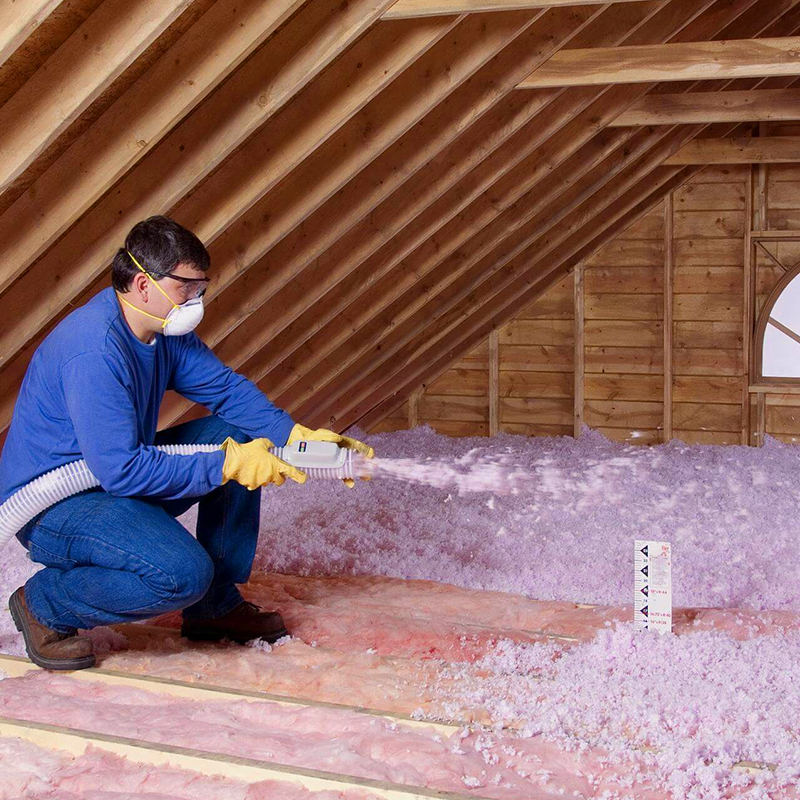
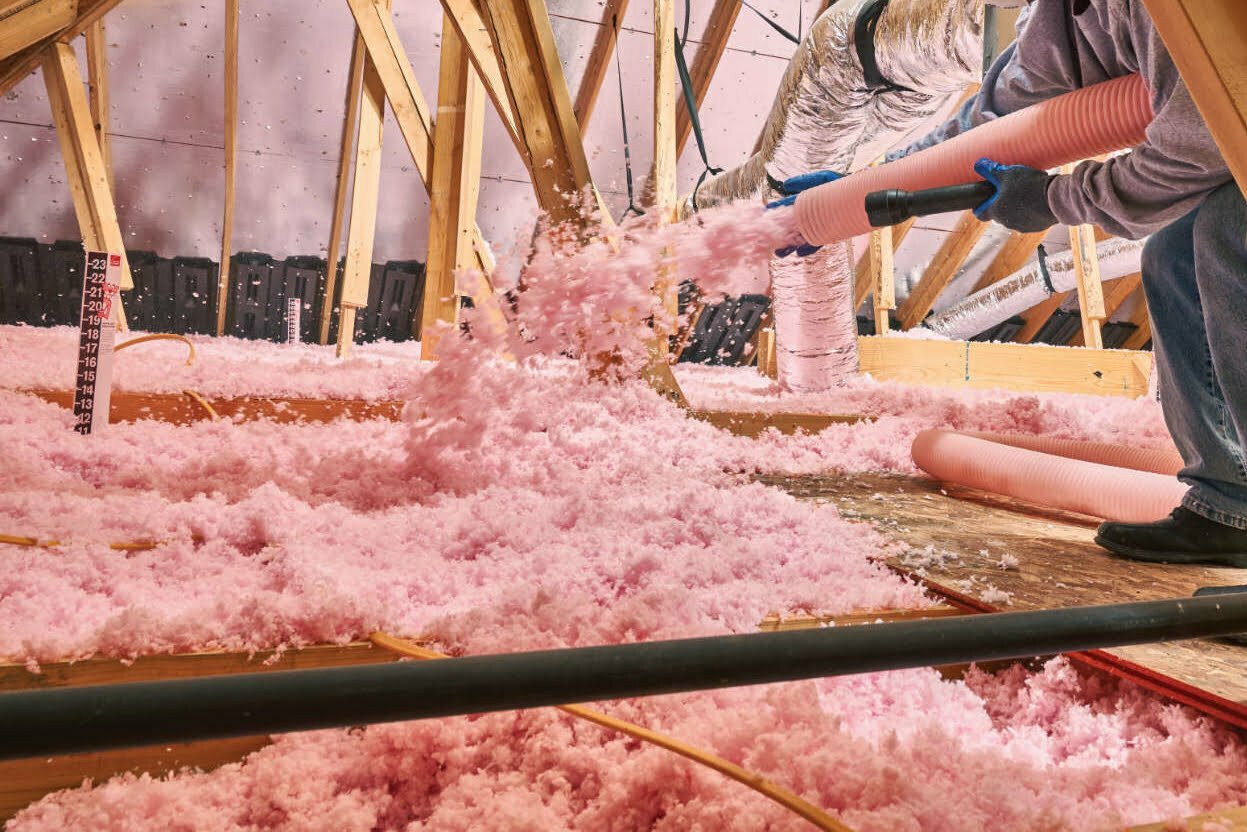
Blown-in materials offer superior coverage around obstacles like wiring and ductwork. Cellulose, made from recycled paper treated with fire retardants, achieves R-values of R-3.2 to R-3.8 per inch. Meanwhile, loose-fill fiberglass provides R-2.2 to R-2.7 per inch. Both materials settle approximately 20% within the first year, requiring initial over-application.
Spray Foam: The Premium Standard
Spray polyurethane foam represents the upper-tier choice for Houston attics. Closed-cell foam delivers R-6.5 per inch—nearly double fiberglass—while creating an air-tight seal that blocks moisture infiltration. In addition, spray foam adds structural rigidity to roof decking. Open-cell foam costs less but provides only R-3.5 per inch and requires a separate vapor barrier.
Radiant Barriers and Reflective Systems
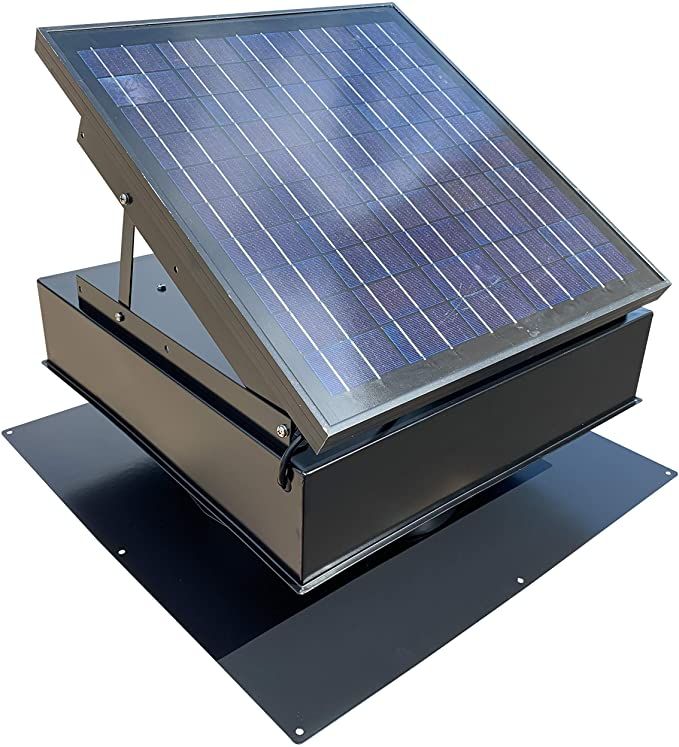
For instance, radiant barriers installed on the underside of roof decking can reduce attic temperatures by 20-30°F during summer months. These reflective materials work best when combined with traditional insulation rather than as standalone solutions.
Pricing & Investment Tiers
When planning upgrades, homeowners typically encounter four distinct investment tiers based on project scope and material selection. Understanding these categories helps you align your budget with performance expectations and long-term savings goals.
Entry-Tier Solutions
Entry-tier projects focus on basic attic insulation improvements for smaller spaces (800-1,200 square feet). These installations typically use fiberglass batts or blown-in cellulose to bring R-values up to minimum code requirements of R-30. However, this tier often skips air sealing and advanced moisture barriers that Houston’s humid climate demands.
Standard-Tier Upgrades
Standard-tier installations address moderate-sized attics (1,200-2,000 square feet) with better material quality and basic air sealing. For example, contractors include radiant barriers to combat Houston’s intense summer heat. This tier delivers measurable energy savings—most homeowners report 15-20% reductions in cooling costs, translating to approximately $300-$450 in annual utility savings according to Energy Star data.
Mid-Tier Comprehensive Projects
Mid-tier solutions combine premium materials with professional air sealing for attics up to 2,500 square feet. These projects typically achieve R-38 to R-49 values using spray foam or high-density blown insulation. In addition, contractors address ventilation issues and install moisture control systems. Homeowners in this tier often qualify for federal tax credits up to $1,200 under the Inflation Reduction Act.
Upper-Tier and Premium-Tier Installations
Upper-tier projects serve larger homes (2,500-3,500 square feet) with advanced spray foam systems, complete air sealing, and integrated ventilation solutions. Meanwhile, premium-tier installations tackle complex architectural challenges in homes exceeding 3,500 square feet, often incorporating smart home integration and multi-zone climate control.
| Feature | Entry-Tier | Standard-Tier | Premium-Tier |
|---|---|---|---|
| Coverage Area | 800-1,200 sq ft | 1,200-2,000 sq ft | 2,500+ sq ft |
| R-Value Target | R-30 | R-38 | R-49+ |
| Material Type | Fiberglass batts | Blown-in + radiant barrier | Closed-cell spray foam |
| Air Sealing | Minimal | Basic | Comprehensive |
| Payback Period | 5-7 years | 3-5 years | 2.5-4 years |
Key Investment Factors:
- Material type and R-value targets
- Attic square footage and accessibility
- Air sealing and ventilation requirements
- Removal of existing damaged insulation
- Radiant barrier installation for Houston’s climate
Energy Savings and ROI for Houston Homeowners
When considering upgrades, homeowners want to know exactly how much they’ll save. The numbers tell a compelling story. According to the U.S. Department of Energy, proper attic insulation can reduce cooling costs by 15-30% in hot climates like Houston’s. For the average Houston household spending $2,400 annually on energy, that translates to $360-$720 in yearly savings.
Calculating Your Return on Investment
However, the real question is how quickly your investment pays for itself. Most Houston homeowners see complete ROI within 3-7 years, depending on their current insulation levels and the tier of upgrade they choose. Entry-tier projects typically break even faster because they address the most critical gaps, while premium-tier installations offer longer-term value through superior materials and comprehensive coverage.
In addition, federal tax credits sweeten the deal considerably. The Inflation Reduction Act provides up to $1,200 annually for energy-efficient home improvements, including insulation upgrades. This incentive effectively reduces your out-of-pocket costs by 25-40% for many standard-tier projects.
Long-Term Financial Benefits Beyond Monthly Bills
Meanwhile, energy savings represent just one piece of the financial puzzle. Consider these additional ROI factors:
- Increased home value: Energy-efficient homes command 3-5% higher resale prices in the Houston market
- Extended HVAC lifespan: Reduced system runtime can add 2-5 years to your air conditioner’s life, delaying a replacement
- Lower maintenance costs: Better temperature regulation means fewer emergency service calls during peak summer months
Real-World Performance Data
For instance, a 2,000-square-foot Houston home upgrading from R-19 to R-38 insulation typically sees monthly cooling cost reductions of $45-$85 during summer months. Over a 15-year period, that single upgrade can generate cumulative savings far exceeding the initial investment regardless of project tier.
Therefore, the question isn’t whether attic insulation pays off, but rather how quickly you want to start capturing those savings.
Proven Performance Data
When evaluating solutions, homeowners benefit from examining real-world performance metrics documented by independent research institutions. The data demonstrates consistent patterns across Houston’s diverse housing stock.
Energy Consumption Benchmarks
The U.S. Department of Energy reports that homes in Climate Zone 2 (which includes Houston) require minimum R-38 attic insulation for optimal thermal performance. However, many older Houston properties still operate with R-11 to R-19 levels, creating significant energy waste. Independent thermal imaging studies show that under-insulated attics can reach 150°F on summer afternoons, forcing HVAC systems to run 40-60% longer than necessary.
Return on Investment Timeline
According to field studies and utility bill analysis, most Houston homeowners recover their insulation investment within 3-5 years through reduced utility bills. Specifically:
- Entry-tier projects typically pay for themselves in 4-5 years
- Standard-tier installations achieve ROI in 3-4 years
- Premium-tier solutions with advanced air sealing recover costs in 2.5-3.5 years
In addition, Remodeling Magazine’s Cost vs. Value Report indicates that attic insulation upgrades retain approximately 107% of their value at resale in the South Central region. Furthermore, homes with documented R-38+ insulation sell 12% faster than comparable properties with inadequate thermal barriers, according to regional real estate data.
Long-Term Performance Metrics
Professional-grade insulation installations demonstrate measurable benefits beyond immediate energy savings:
- HVAC efficiency: Systems in properly insulated homes cycle 30-40% less frequently, extending compressor lifespan by an average of 3-5 years
- Temperature stability: Homes with R-38+ insulation maintain indoor temperatures within 2-3°F of thermostat settings, compared to 8-12°F fluctuations in under-insulated properties
- Moisture control: The EPA reports that proper attic air sealing reduces indoor humidity by 15-25%, significantly lowering mold and mildew risk
FAQ
Ready to Lower Your Energy Bills?
Investing in professional attic insulation delivers measurable savings that compound year after year. However, the first step is choosing a contractor who understands Houston’s unique climate challenges and building codes.
Why act now?
- Federal tax credits: The Inflation Reduction Act offers up to $1,200 annually for energy-efficient home improvements, including insulation upgrades
- Utility rebates: CenterPoint Energy and other local providers frequently offer rebates for insulation projects that meet ENERGY STAR® standards
- Rising energy costs: Houston electricity rates have increased 18% over the past three years, making efficiency upgrades more valuable than ever
In addition, properly installed insulation can reduce HVAC runtime by 30-50%, extending equipment lifespan and delaying costly replacement. Most Houston homeowners see payback periods of 3-5 years for comprehensive attic upgrades.
Next steps to maximize your investment:
- Schedule a professional energy audit to identify air leaks and thermal weak spots
- Compare tier options that align with your home’s square footage and current R-value
- Verify contractor licensing and insurance coverage
- Request a detailed scope of work that includes air sealing, ventilation assessment, and post-installation testing
For instance, combining blown-in cellulose with radiant barrier installation often delivers superior results compared to single-material approaches. The right partner will customize solutions based on your home’s age, roof type, and budget constraints.
Contact Apex Foam Solutions today for a no-obligation assessment. Our licensed team serves Houston, TX 77085 and surrounding areas with expert spray foam and attic insulation solutions tailored to Gulf Coast conditions. Call (832) 400-3344 to discover how much you can save with professional attic insulation services.